
Posture Support & Positioning
-
-
- Turn and slide sheets – reduce friction for smooth repositioning
- Support wedges and cushions – maintain comfortable, safe positions
- Easy-to-use designs – helping carers and family members provide better support
-
-
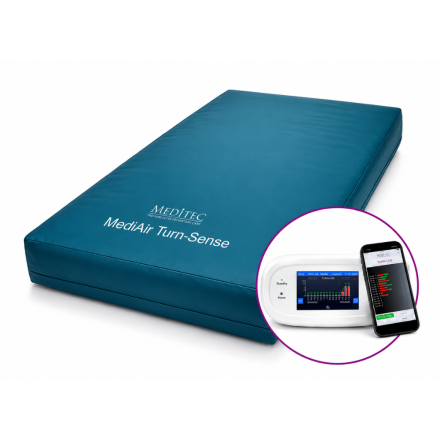
Auto-Turning Pressure Relief Mattress with Movement Monitor – Mediair Turn Sense
€6,695.00 -
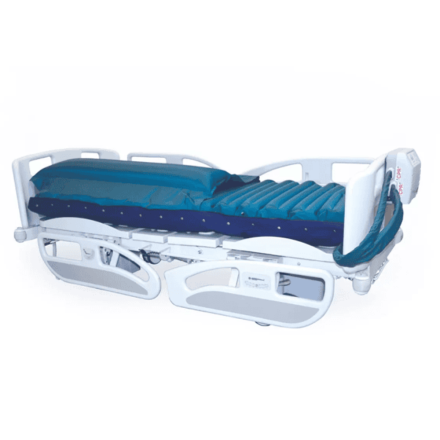
Auto-Turning Pressure Relief Mattress – Mediair Turn
€4,475.00 -

Automatic 30° Turning System for Pressure Care in Bed – Ekamove
From: €5,900.00 -
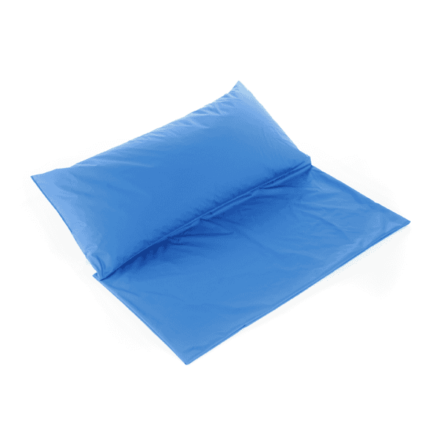
Four-Chamber Positioning Cushion for Arms and Legs – eka Lpt
€149.00 -
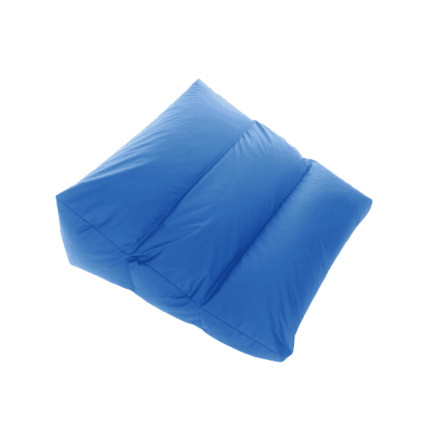
Three-Chamber Positioning Wedge for Legs and Back, EKA
€266.00 -
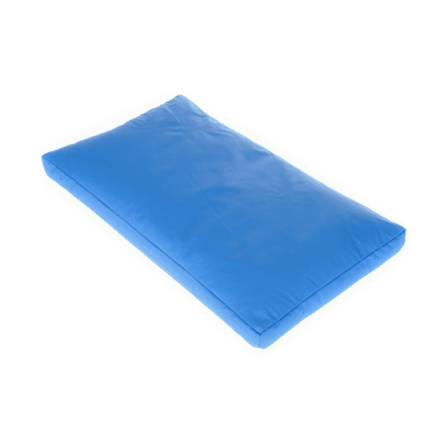
Anti-Slip Side-Lying Positioning Cushion – eka Lpt
€168.00 -
Limb Elevation Cushion with Raised Side Bridge, EKA
€177.00 -
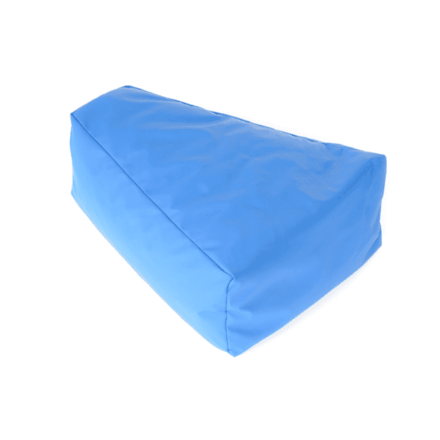
Leg and Arm Positioning Wedge for Pressure Relief – eka Lpt
From: €95.00 -
Hip Abduction Wedge for Leg Positioning – eka Lpt
€103.00 -
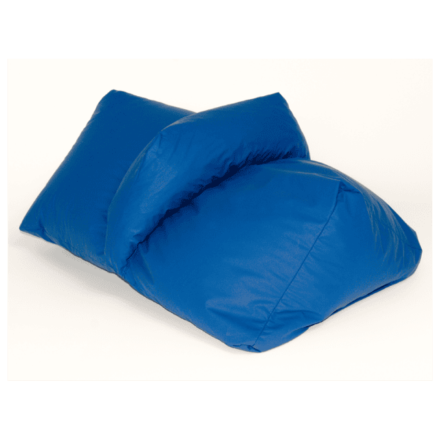
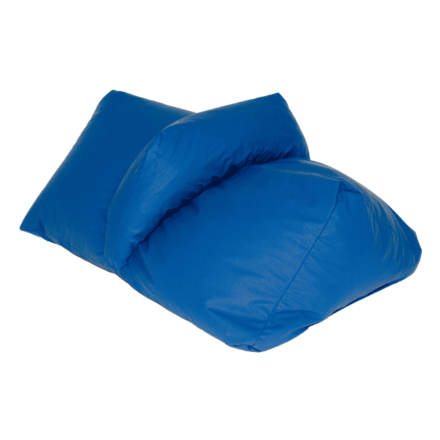
Leg Positioning Saddle Cushion with Knee Separator, EKA
€252.00 -
Leg Positioning Saddle Cushion with Adjustable Air Chambers
€599.00 -
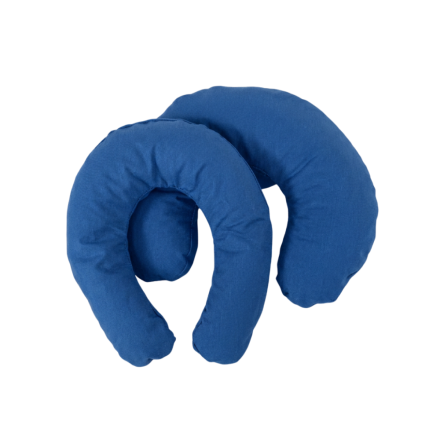
Neck Support Cushion for Patient Positioning – eka Lpt
From: €109.00 -
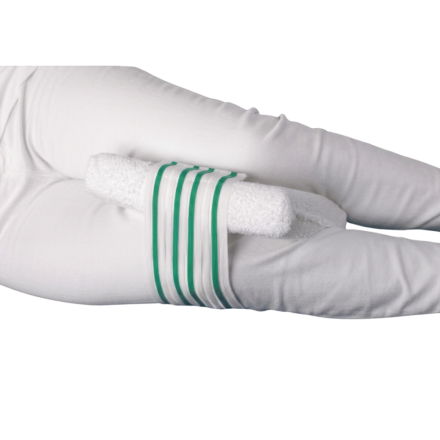
Knee Cushion for Side Sleeping and Hip Alignment – Terry Cover
€55.00 -
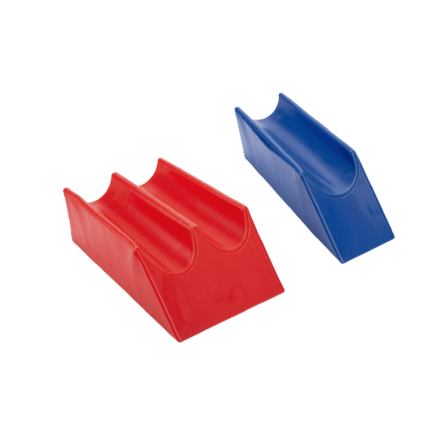
45° Leg Elevation Channel for Swollen Legs and Oedema
From: €211.00 -
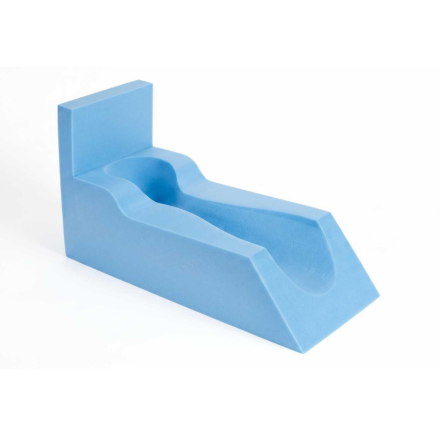
Leg and Heel Positioner with Heel Offloading – 45° PUR
€638.00 -
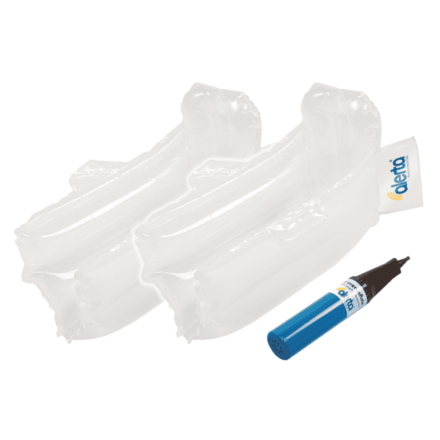
Inflatable Heel Protectors with Pump – Air Heel Bootees
€183.27

Rotation / Positioning FAQs
They solve the same problem at different scales.
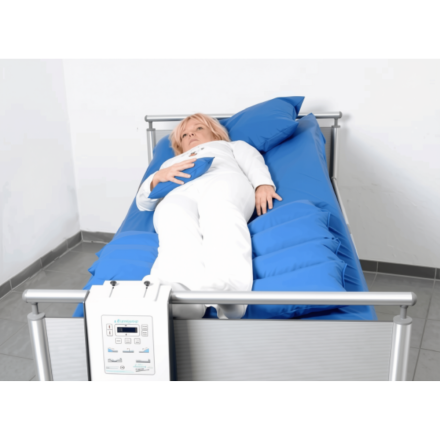
- A turning system is a powered mattress or overlay that rotates the person automatically, usually for someone who cannot turn at all and where repositioning is a two-person job.
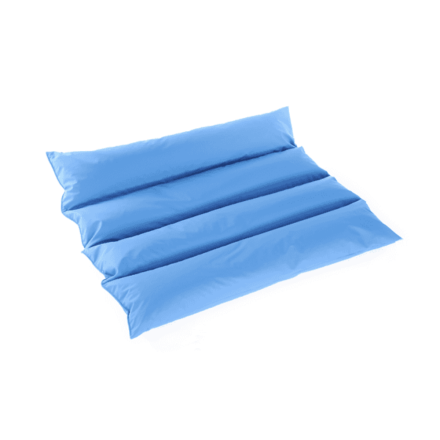
- A positioning cushion or wedge is placed by a carer to hold a limb or the body at a particular angle, and is moved by hand when the position changes.
A turning system reduces how often manual repositioning is needed. It does not remove the need for skin checks or for a repositioning plan agreed with the person's nurse.
No. A positioning cushion holds a part of the body at a particular angle — a leg abducted, an arm supported, the body held on its side.
A pressure-relief seat cushion is a support surface the person sits on for long periods, and it is chosen on assessed pressure-ulcer risk.
Using a positioning cushion as a seat cushion will not give the pressure redistribution a seated person needs. Seat cushions are in the pressure care category.
Start with what the position is meant to achieve, keeping someone off a sore heel, holding them on their side, separating the knees, raising a swollen leg and then find the product made for that job.
Size matters more than it appears. A wedge that is too large will push the person out of the position you are trying to hold, and one too small will slide out from under them.
Dimensions are listed on each product page, and several products in this range come in more than one size.
No. They make a position easier to hold and more comfortable, but the plan for how often someone is moved comes from their nurse or therapist.
The HSE's SSKIN approach lists keeping the person moving alongside surface, skin inspection, moisture management and nutrition.
Where someone genuinely cannot be turned often enough by hand, that is the conversation that leads to a powered turning system rather than more cushions.
Generally yes, since they sit on top of the surface rather than replacing it, but there are two things worth checking.
On an alternating air mattress, anything placed between the person and the cells can reduce the pressure relief the mattress is providing in that area. Ask the person's nurse before combining the two.
On a profiling bed, check that a cushion is not preventing the bed from bending or being trapped when the backrest rises.
Follow the manufacturer's instructions for the specific cushion, because covers differ across this range.
Some have wipeable covers and some have removable, launderable covers, and the two are not cleaned the same way.
Where a cushion moves between people, a care setting's own decontamination policy applies as well.
Because they do two jobs. They are pressure-relief support surfaces, so they belong with the mattresses, and they reposition the person automatically, so they belong with the turning and positioning equipment.
If you are choosing a mattress on pressure-ulcer risk, the mattress guide is the better starting point.
If the problem you are solving is that someone cannot be turned often enough, start here.
Side-lying at around 30 degrees is widely used in pressure care because it keeps weight off the hip bone rather than resting directly on it, and several products in this range are built around that angle.
It is not a rule that suits everyone. Breathing, feeding, comfort and other conditions all affect what position a person can tolerate.
The positions and the turning schedule for a particular person should come from their nurse or therapist.
Free Shipping
over €100.
Advice
Your trusted source for pressure-relieving and support product guidance.
Nationwide Delivery
Fast and convenient delivery to your home.
VAT Refund Form
Persons with Disabilities - refund on Aids and Appliances.
Support
Our dedicated support team are here to help you.