
Patient Handling & Transfer
Stay safe and independent with moving and handling equipment. Make daily routines safer and easier with our range of moving and handling equipment, designed to support you and your loved ones at home. Whether you’re recovering from an injury, living with reduced mobility, or caring for someone, we have practical solutions to help with transfers, positioning, and support.
Our selection includes:
-
-
- Hoists and Slings – for safe and comfortable transfers
- Transfer Aids and Boards – perfect for beds, chairs, and vehicles
- Handling Belts – giving carers and family members extra support
-
All our products are designed with safety, comfort, and ease of use in mind. Find the right moving and handling aids to stay independent and reduce the risk of strain or injury.
Shop now and enjoy fast delivery, expert advice, and peace of mind.
-
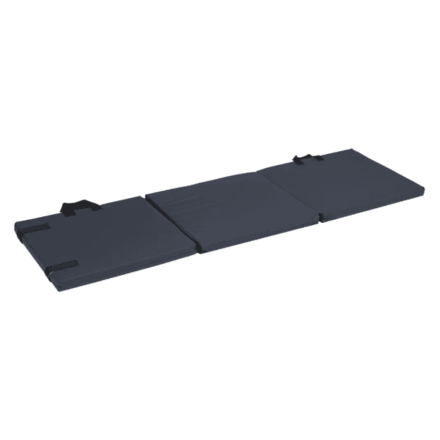
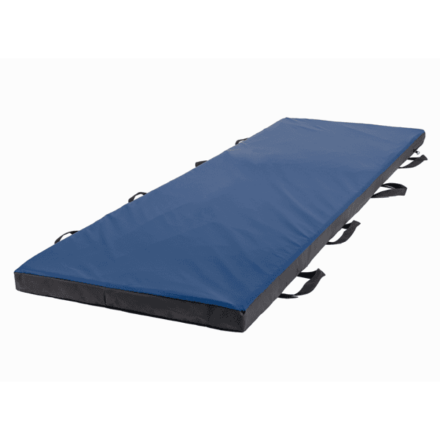
Folding Crash Mat – Patient Fall Protection
€110.00 -
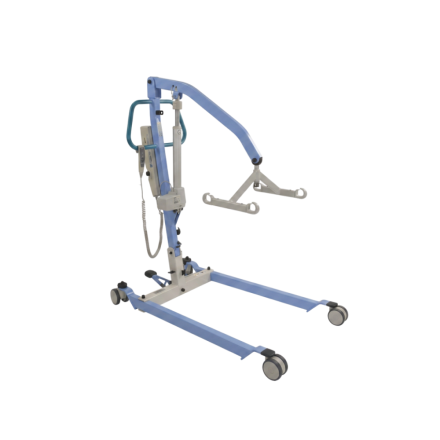
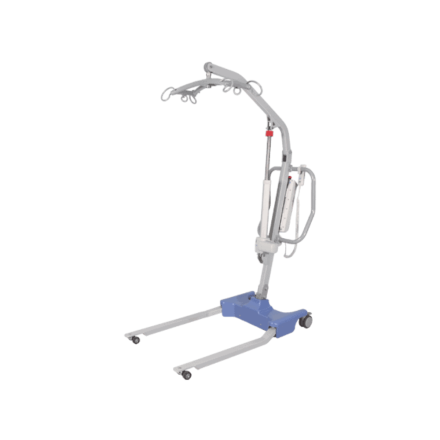
Lifty Fox Mobile Patient Hoist with Floor Recovery
€1,850.00 -
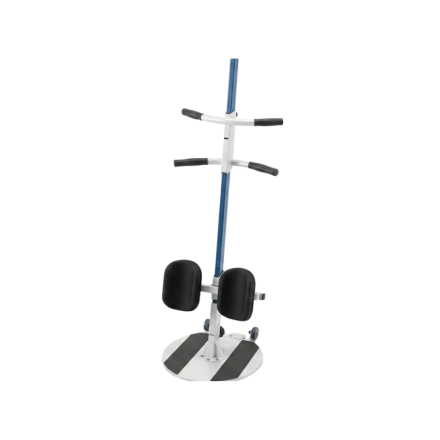
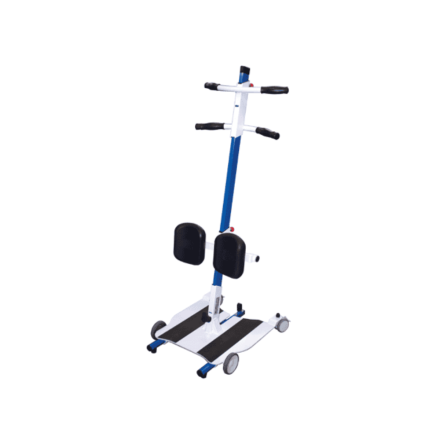
Sit-to-Stand Transfer Aid for Home Care – Vertic Easy
€710.00 -

Pocket Slide Sheet for Repositioning and Transfers
€36.50 -
Tubular Slide Sheet for Patient Repositioning & Transfers
€29.00 -
Patient Transfer Mattress for X-Ray and Imaging – Radiolucent
€799.00 -
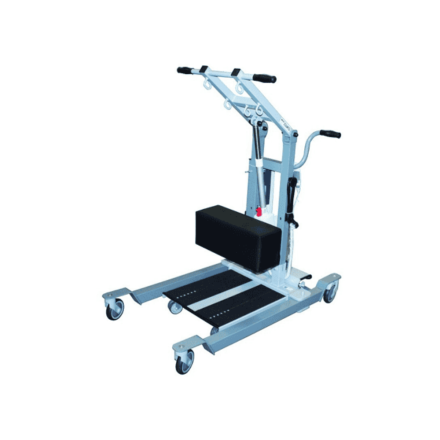
Sit-to-Stand Transfer Aid for the Home – Vertic Home
€779.00 -
Sit-to-Stand Transfer Aid for Home Care – Move Assist
€1,395.00 -
Advantage Lightweight Folding Hoist
From: €1,299.00 -
Mobile Patient Hoist with Ultra-Low Base for Low Beds
From: €1,599.00 -
Advantage Sit-to-Stand Patient Hoist
From: €1,749.00 -
Advantage Bariatric Patient Hoist
€3,495.00 -
Bariatric Sit-to-Stand Hoist for Home and Nursing Care – Vertic 2
€5,995.00 -
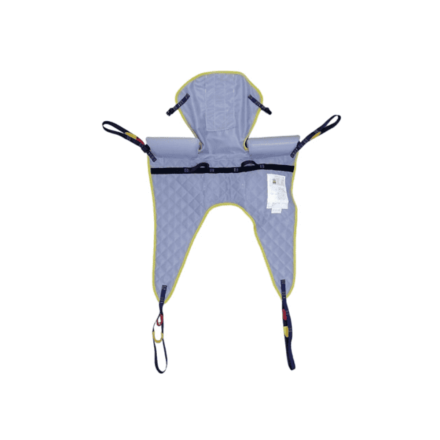
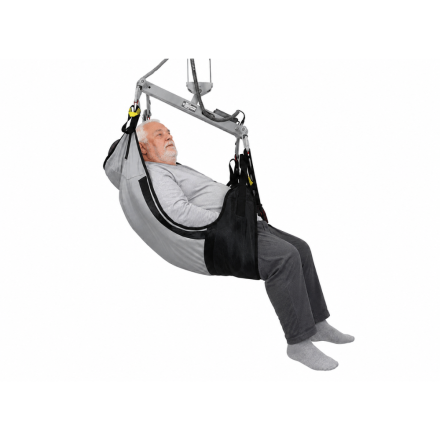
Full-Body Hoist Sling with Head Support – Fullback
From: €153.00 -
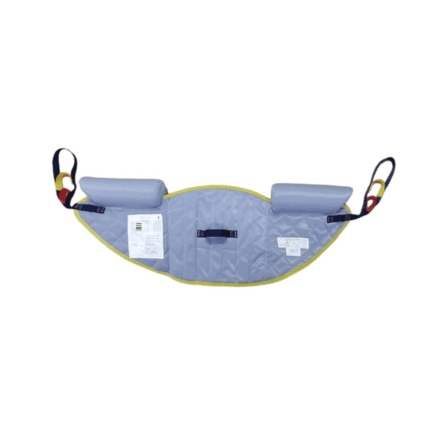
Padded Hygiene Sling for Toileting and Dressing
From: €239.00 -
Sit-to-Stand Sling for Assisted Standing Transfers
From: €209.00 -
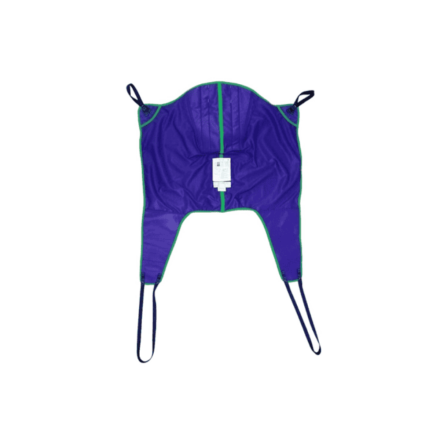
Deluxe Universal Sling with Head Support for Hoist Transfers
From: €169.00 -
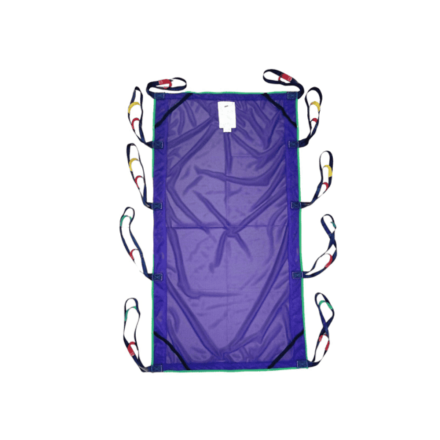
Full-Body Repositioning Sling for Bed Transfers
€225.00 -
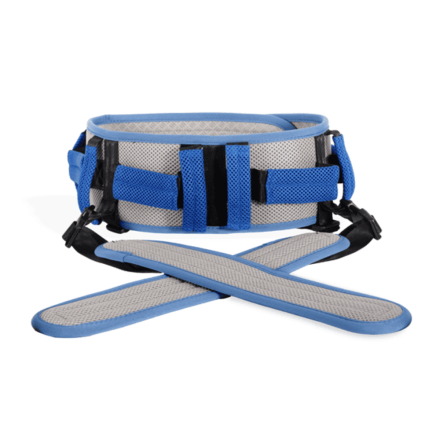
Transfer Support Belt with Crotch Straps
From: €75.00 -
Bariatric Hammock Sling for All-Day In-Situ Use
From: €1,550.00 -
Bariatric Patient Sling with Full Leg Support – Deluxe
From: €1,269.00 -
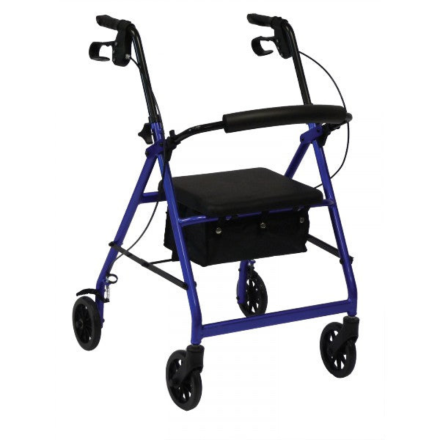
Alubest Lightweight 4 Wheel Rollator
€139.99

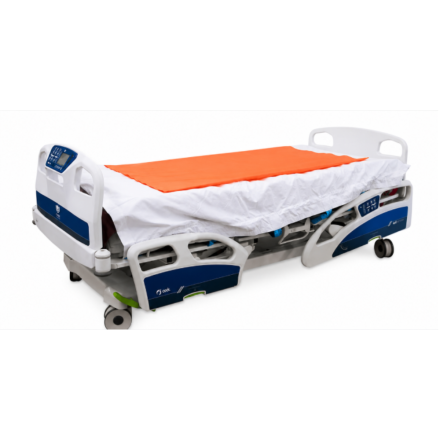






Patient Handling & Transfer FAQs
It comes down to what the person can still do for themselves.
- A mobile hoist lifts someone who cannot take any weight through their legs. The person is supported entirely by a sling.
- A sit-to-stand hoist or transfer aid is for someone who can bear some weight and can hold on, but needs help to rise and to stay steady.
Using a standing aid with someone who cannot take weight through their legs is unsafe. If you are unsure which applies, that is a question for the person's occupational therapist or public health nurse.
No. Slings and hoists have to be matched, and the two main attachment systems are not interchangeable.
- Loop slings hang from hooks on a spreader bar.
- Clip slings attach to a clip fitting.
Sling size matters as much as the fitting. A sling that is too big or too small will not hold the person correctly. Check the hoist's attachment type and the sling sizing on each product page, and confirm the combination before buying if the hoist did not come from the same range.
Measure the room, the doorways and the route to the room before buying, not after.
The hoist needs to get into the room, open its legs around the base of a bed or chair, and turn with someone in the sling. Fixed furniture and the position of the bed both affect whether that is possible.
Leg clearance under the bed matters too, because the hoist legs have to pass beneath it. Where the bed sits low, a hoist with an ultra-low base may be the one that fits — there is one in this range made for exactly that.
Yes. Hoists and slings should be used by someone who has been shown how, and in care settings that is normally formal manual handling training.
For family carers at home, ask the public health nurse or occupational therapist involved in the person's care to go through the equipment with you, including how to fit the sling and how to lower someone safely.
Most manufacturers also require that the equipment is checked regularly once it is in use.
Every hoist and sling has its own safe working load, listed on its product page, and the lower of the two figures is what governs the transfer.
A 200kg hoist used with a sling rated lower is limited by the sling. The safe working load covers the person being lifted, not the equipment.
Where someone is close to the limit of standard equipment, the bariatric range is designed for higher weights.
They are for different kinds of move.
- A slide sheet reduces friction so someone can be moved up or across a bed with less effort and less dragging on the skin.
- A transfer belt goes around the person's waist and gives the carer handles to hold while the person stands or walks with assistance.
A belt is only for someone who can take some of their own weight. A slide sheet is for repositioning someone in bed, including people who cannot assist at all.
It depends on the product, and the page for each one says which.
Some slide sheets are supplied for single patient use, which means they stay with one person rather than being used for a single move and discarded. Others are reusable and launderable.
Where a product is single patient use, that is usually an infection control decision rather than a durability one, so it is worth following.
Where someone needs help to move, a manual handling assessment is the right starting point. It looks at what the person can do, what the carer can safely do, and what the room allows.
An assessment often changes the answer. A family may arrive expecting a hoist and find that a slide sheet and a transfer belt cover their situation, or the reverse.
Occupational therapists and public health nurses carry out these assessments.
Free Shipping
over €100.
Advice
Your trusted source for pressure-relieving and support product guidance.
Nationwide Delivery
Fast and convenient delivery to your home.
VAT Refund Form
Persons with Disabilities - refund on Aids and Appliances.
Support
Our dedicated support team are here to help you.