
Which Pressure Relief Mattress Is Right for You?
Choosing a pressure-relieving mattress can feel complicated. This guide explains the main mattress technologies, pressure-risk considerations and practical factors that can help you understand your options.
Supporting pressure care at home and in healthcare settings across Ireland.
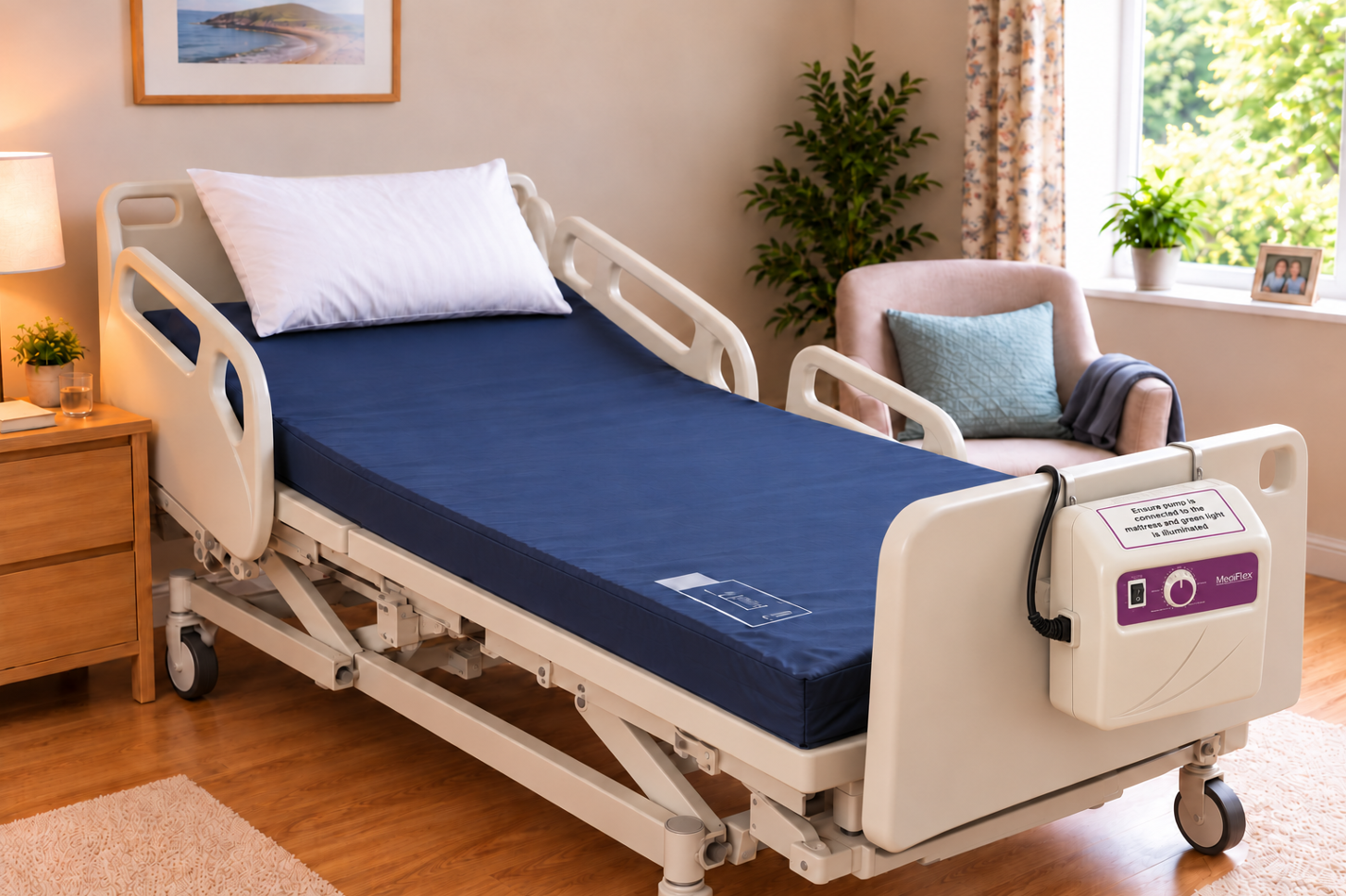
Which pressure relief mattress do you need?
The right mattress depends on several personal factors; including the person’s mobility, ability to reposition, skin and pressure history, time spent in bed, weight, care environment and whether a professional assessment has already taken place. Static foam, gel and hybrid surfaces may suit medium-to-high risk situations; alternating-air and advanced dynamic systems may be considered for higher-risk needs following assessment. If a nurse or OT has already assessed the person, their recommendation should take priority.
This block can be read independently and represents general information only. It does not replace clinical assessment.
COMPARE OPTIONS
Which mattress options should I look at?
Use the risk level below as a starting point. Clinical assessment takes priority — these categories follow Meditec product information supplied for this guide.
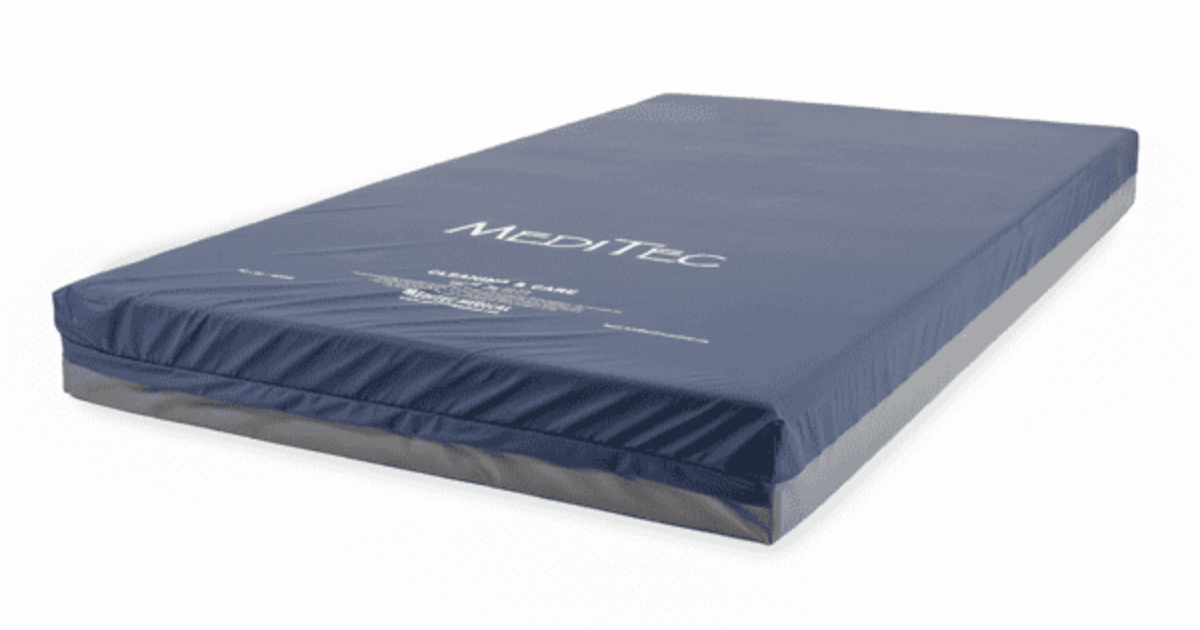
Medium to High Risk
Static / specialist foam
Uses specialist pressure-redistributing foam to spread body weight more evenly and reduce sustained pressure on vulnerable areas. No pump or power required.
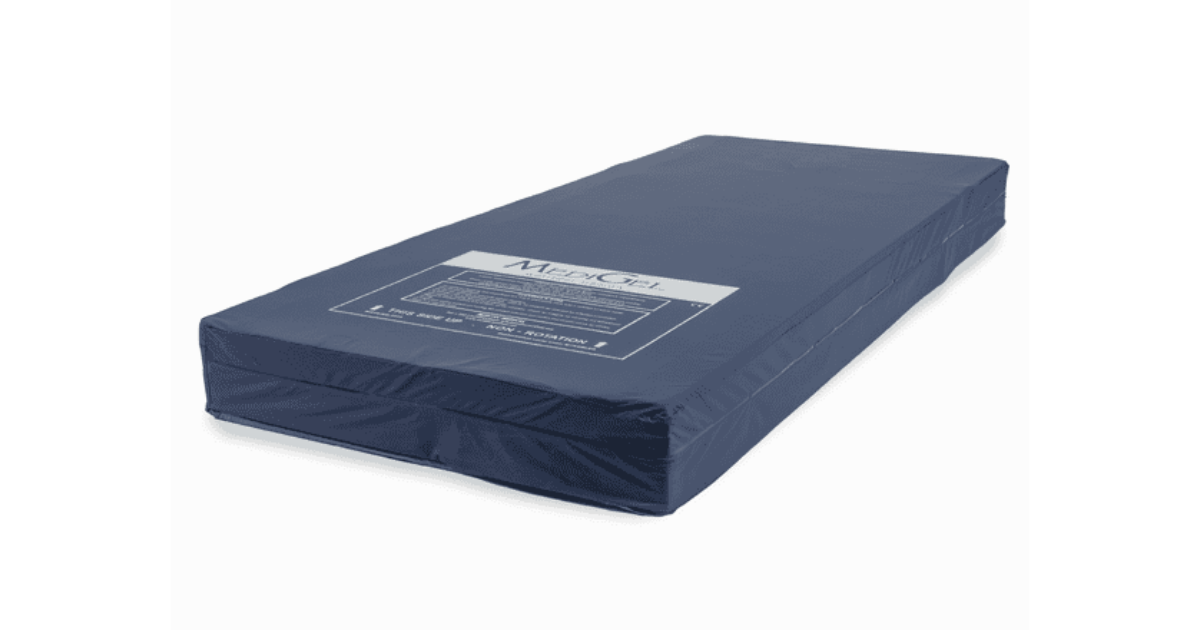
High Risk
Alternating / Dynamic Air
An electric pump inflates and deflates alternating air cells on a timed cycle, regularly shifting pressure points across the body to reduce sustained pressure on any single area.
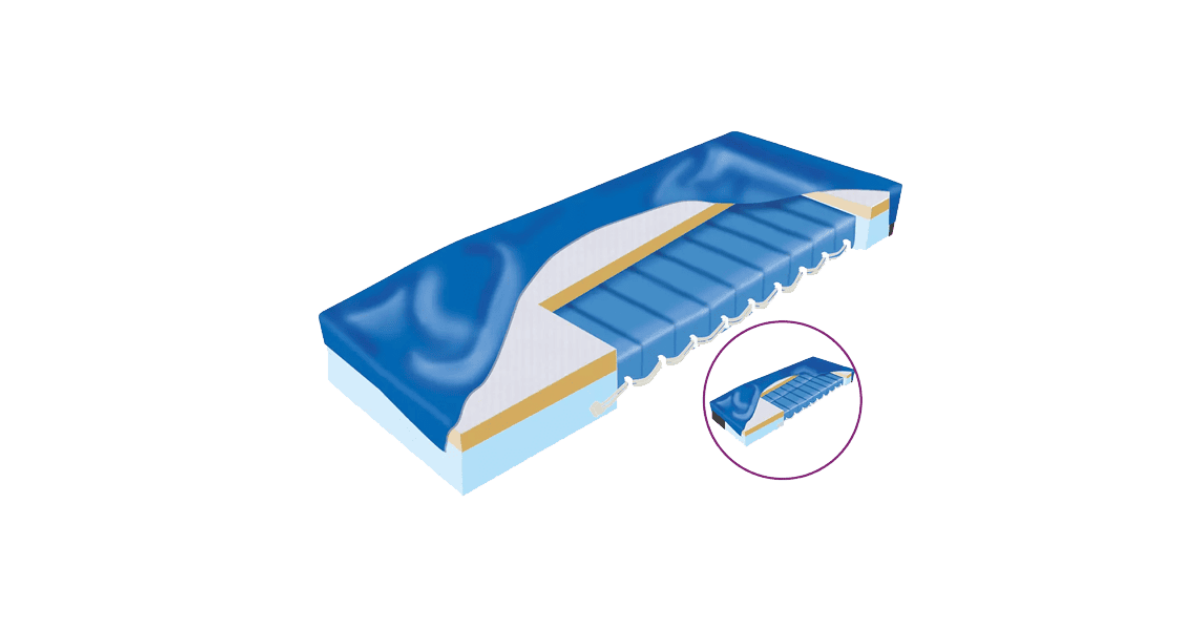
Very High Risk
Advanced / Rotational Systems
Specialist systems that combine advanced pressure adjustment with features such as microclimate monitoring or lateral rotation to support complex pressure-care needs.
Not sure which option fits your situation?
Talk to the Meditec team and we’ll help you understand the available options.
Mon–Fri: 9 am – 5 pm
What level of pressure-ulcer risk are we dealing with?
These questions are intended to help you think through the situation before speaking to a healthcare professional not to calculate a risk score.
Can the person change position independently?
Limited ability to reposition is a key pressure-risk factor.
Is there persistent redness, skin damage or an existing pressure ulcer?
Any broken or discoloured skin should prompt clinical review.
How much of the day or night is spent in bed?
Extended time in one position significantly increases pressure risk.
Is moisture or incontinence affecting the skin?
Moisture can make skin more vulnerable to pressure damage.
Are there mobility or transfer difficulties?
These affect both risk level and the practical requirements of the mattress.
Are there weight, body-shape or specialist-support requirements?
Bariatric or specialist support needs require appropriate product selection.
Risk pathways — discuss with your healthcare professional
Medium to High Risk
High Risk
Very High / Complex Needs
A nurse’s, OT’s or other qualified healthcare professional’s assessment takes priority. Do not rely on these questions alone to determine the appropriate mattress.
What should I check before buying a pressure relief mattress?
The Meditec team can talk through compatibility, sizing and specifications.
Call 01 462 4045.
Still not sure which pressure relief mattress is right?
Our team can help you understand the available options and choose a mattress based on the person’s care needs, mobility and home environment.
Pressure Relief Mattress FAQs
The right mattress depends on factors such as the person's mobility, how long they spend in bed, their skin condition, weight, and care environment. This guide outlines the main options, but the person's nurse, GP or occupational therapist is best placed to advise following a clinical assessment. Meditec's team is also available to talk through the available options.
Pressure-ulcer risk is usually assessed clinically using a recognised tool. This guide uses the product risk categories supplied by Meditec — medium to high, high, and very high — as a starting point. A healthcare professional's assessment should guide final mattress selection. The quick-pick table above links the risk level to the relevant Meditec product range.
Static foam mattresses redistribute pressure through specialist foam construction — they require no power and are straightforward for home use. Hybrid mattresses combine materials such as foam and air or gel layers. Alternating-air (dynamic) mattresses use a powered pump to cycle pressure through air cells, which may be considered where more advanced pressure management is required following assessment.
Not necessarily. The appropriate mattress type depends on the person's assessed risk level, not on a single factor. Static foam or gel mattresses may be suitable for medium-to-high risk situations. Alternating-air systems are typically considered for higher-risk situations following professional assessment. Speak to the person's nurse or OT for guidance.
Yes, this is one of the most important factors. A person who cannot reposition independently may require a more advanced pressure-management surface than someone who can move with assistance. Discuss this with a healthcare professional as part of the overall pressure-care assessment.
Many Meditec pressure-relief mattresses are designed to be compatible with profiling (adjustable) beds, but compatibility varies by model. Check the mattress dimensions, depth, and any bed-rail implications before purchasing. Contact the Meditec team 01 462 4045 to confirm compatibility with your specific bed.
Check the maximum user weight stated in the product's Instructions for Use and ensure it exceeds the user's actual weight. Where higher weight capacity is required, Meditec offers bariatric options including the BariFloat and BariMed II. Never exceed the stated weight limit. Contact Meditec to confirm the appropriate product.
Pump noise varies between models. Some Meditec alternating-air mattresses such as the Q-PRO2000XT are described as virtually silent. Check individual product information for details. Noise level is worth discussing with the Meditec team, particularly where light sleeping or a shared room is a consideration.
During a power cut, an alternating-air mattress pump will stop. Many models maintain a static air surface for a period, but this varies by product. Check the product's Instructions for Use and emergency/power-cut procedure. The person's care team should be aware of what to do in the event of a power interruption.
Yes. Meditec offers pressure-relief mattresses for purchase, and rental may be available for some products depending on requirements. If a community/HSE route has been recommended by a healthcare professional, ask your PHN or OT about assessment and referral. Contact Meditec on 01 462 4045 to discuss purchasing or rental options.