
Pressure Care
If you or someone you care for spends long periods sitting or lying down, choosing the right support can help manage pressure on vulnerable areas of the skin. Our pressure care range includes cushions for chairs and wheelchairs, along with heel protectors and bootees for different care needs.
Need help choosing a cushion? Read our guide to choosing pressure cushions for wheelchairs and chairs for practical advice on cushion types, sizes, weight limits and getting the right fit.
You may be eligible to claim a VAT refund on qualifying aids and appliances for a person with a disability, subject to Revenue’s conditions. Our VAT refund guide explains who may qualify and how to apply.
You can also browse our pressure relief cushions and heel protection products, or contact our team for help with the available options.
-

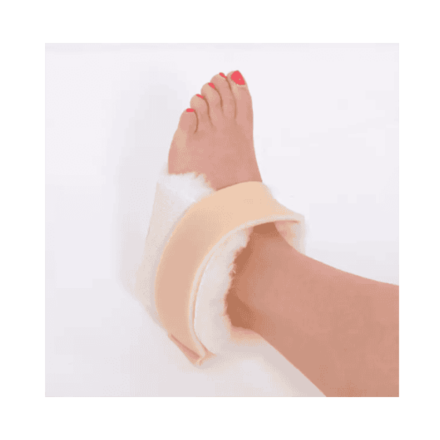
Wool Pressure Relief Protectors for Heels or Elbows – Pair
From: €29.00 -
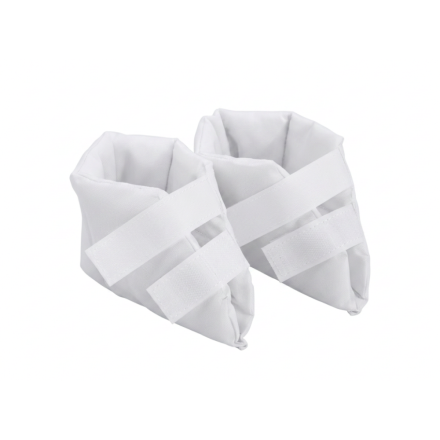
Soft Pressure Relief Heel Protectors – Breathable Pair
€55.35 -
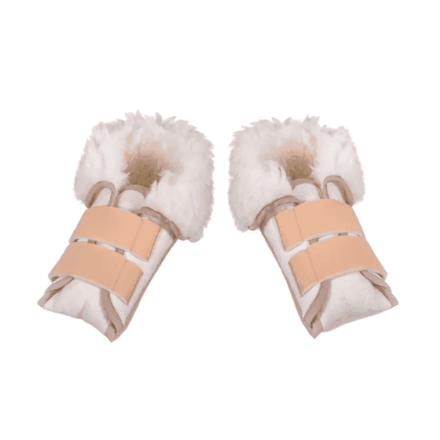
Pure Wool Heel Protection Bootees for Pressure Relief
€75.65 -
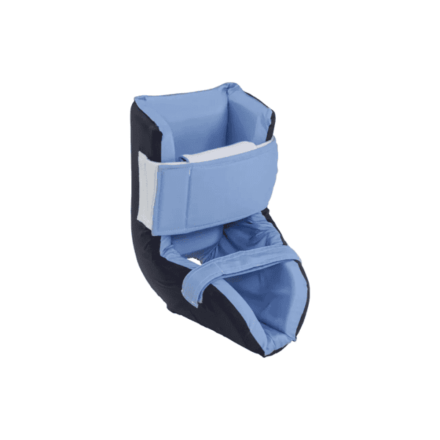
Deluxe Heel Bootee – Pressure Relief
€104.55 -
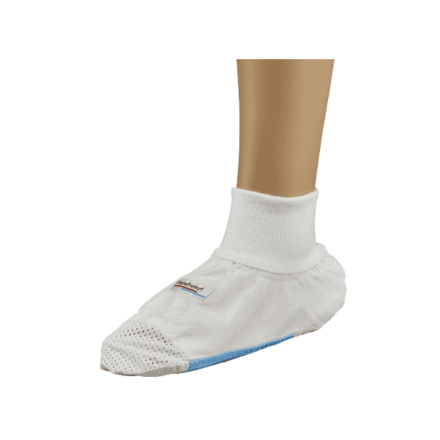
Anti-Shear Heel Protection Bootee, Slip-On – Parafricta®
From: €116.85 -
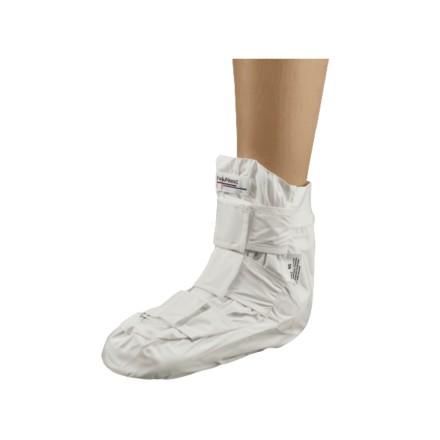
Anti-Shear Heel Protection Bootee, Adjustable – Parafricta®
From: €129.15 -
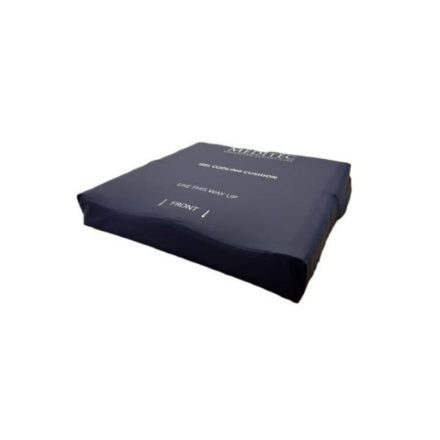
Gel Cooling Pressure Relief Cushion for Chairs & Wheelchairs
€196.80 -
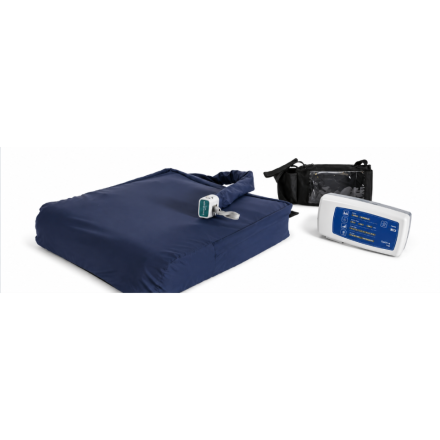
Portable Alternating Air Cushion for Wheelchairs – 48hr Battery
€325.95 -
Alternating Air Pressure Cushion for Chairs & Wheelchairs
From: €362.85 -
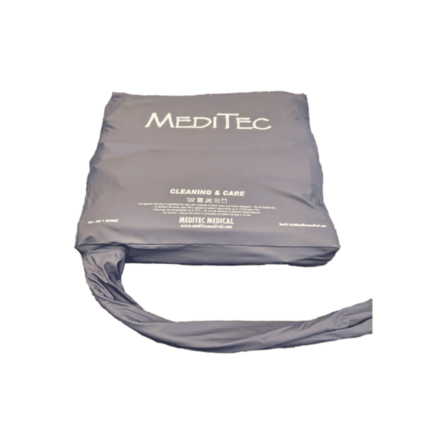
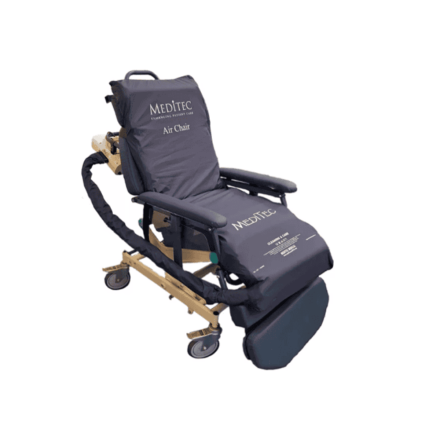
Full-Length Alternating Air Pressure Relief Chair Overlay
From: €1,346.85
Pressure Care FAQs
They protect different parts of the body and are not alternatives to each other.
- A pressure cushion sits under the person in a chair or wheelchair and spreads or alternates the pressure under the seat and sacrum.
- Heel protection lifts or cushions the heel, which has very little natural padding and marks easily when someone spends long periods in bed or with their legs supported.
Someone sitting for most of the day and lying for the rest may well need both. The cushion selection guide covers the seated side.
It follows the person's assessed risk and how long they sit.
- A gel cushion needs no power, is quiet and suits someone who can still shift their own position.
- An alternating air cushion uses a pump to change the pressure under the person continuously, which suits someone who cannot reposition themselves and is at higher risk.
- A portable alternating cushion runs on a battery, so it can go out of the house.
The pressure cushions guide compares the options in this range side by side.
Measure the seat from side to side and from the back to the front edge, then compare those figures with the dimensions on the product page.
A cushion wider than the seat will be squeezed by the armrests and will not work as intended. One that is too small leaves the edges of the thighs unsupported.
Cushion depth also raises the person, which changes how their feet reach the floor or the footplates and how the armrests sit. On a wheelchair that is worth checking with whoever set the chair up.
A full-length chair overlay covers the back of the chair as well as the seat, so it provides pressure relief along the back and sacrum rather than only under the seat.
It suits someone who spends most of the day in a recliner or a high-backed chair rather than moving between chair and bed.
A seat cushion is the lighter option for someone who is up and about and sitting for shorter spells.
Check both on the individual product page, because the answer differs across this range.
Some are sold as a pair and some singly, and the product title usually says which. Where it does not, the specification section on the page is the place to look.
Washing instructions also vary. Reusable fabric bootees and wool protectors have their own laundering guidance from the manufacturer, and following it matters if the product is to keep its low-friction or cushioning properties.
Friction is the rubbing of skin against a surface. Shear is what happens when the skin stays put while the tissue underneath moves, which is common when someone slides down the bed or is pulled up it.
Heels are vulnerable to both because there is very little padding between the skin and the bone.
Some products in this range use low-friction fabric to reduce that rubbing, while others cushion or lift the heel instead. They are different approaches to the same problem.
Get an assessment if the skin is already broken or discoloured, if the person cannot change position without help, or if you are unsure how much risk they are at.
A public health nurse, an occupational therapist or the person's GP can assess and advise. Equipment chosen without an assessment can be the wrong level of support in either direction.
Buying a cushion is reasonable for mild, preventative use. Existing skin damage is a reason to speak to someone first.
No. A cushion lengthens the time between position changes but does not remove the need for them.
The HSE's SSKIN approach lists keeping the person moving alongside the right surface, skin inspection, managing moisture and nutrition. Equipment supports that routine rather than replacing it.
How often someone should be repositioned is a clinical judgement for the person's nurse or therapist, not a figure that comes with the cushion.
Free Shipping
over €100.
Advice
Your trusted source for pressure-relieving and support product guidance.
Nationwide Delivery
Fast and convenient delivery to your home.
VAT Refund Form
Persons with Disabilities - refund on Aids and Appliances.
Support
Our dedicated support team are here to help you.